


Sheikh Hamad Award Delegation Visits Brazil Ahead of the 2027 Edition
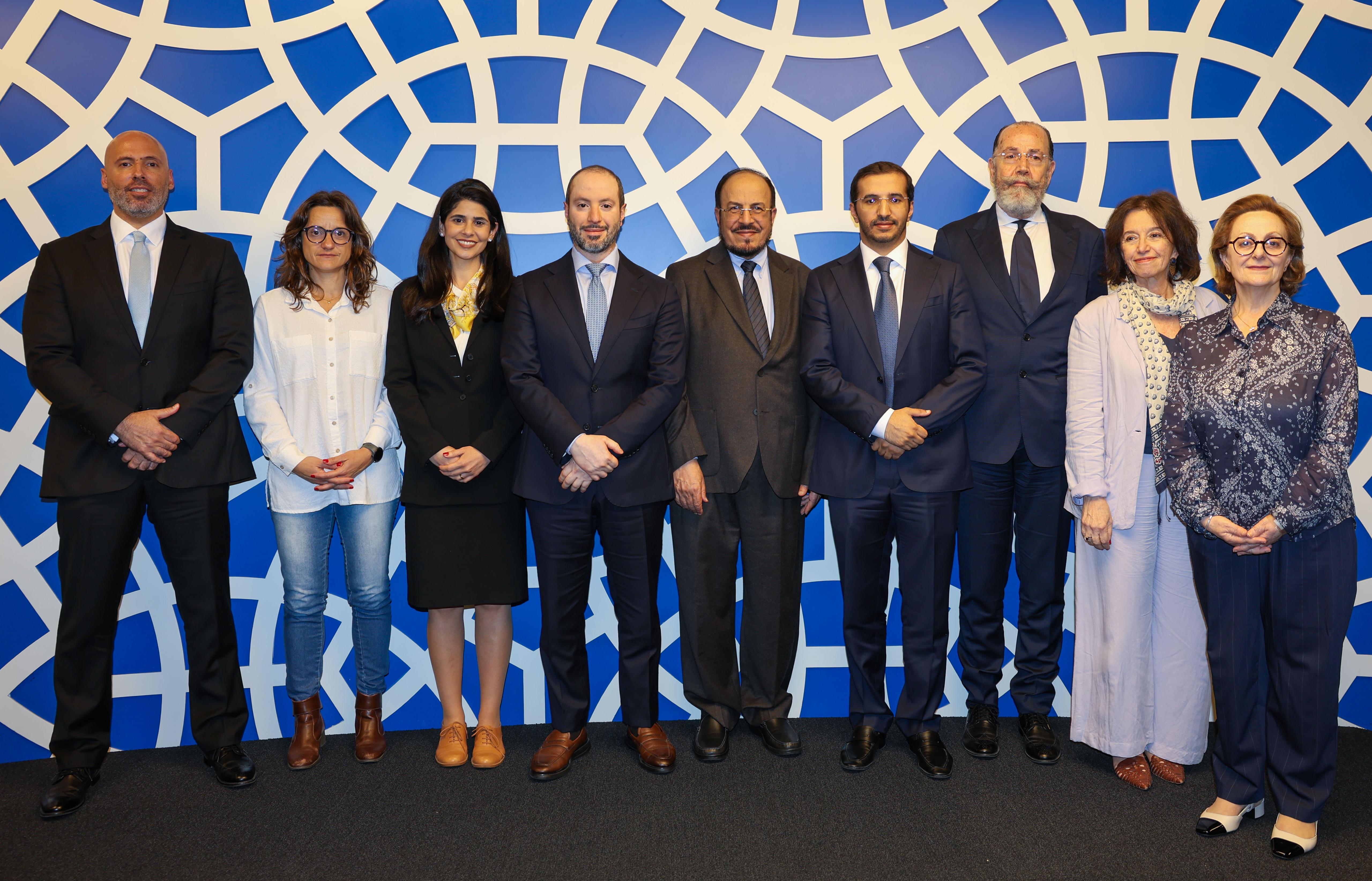
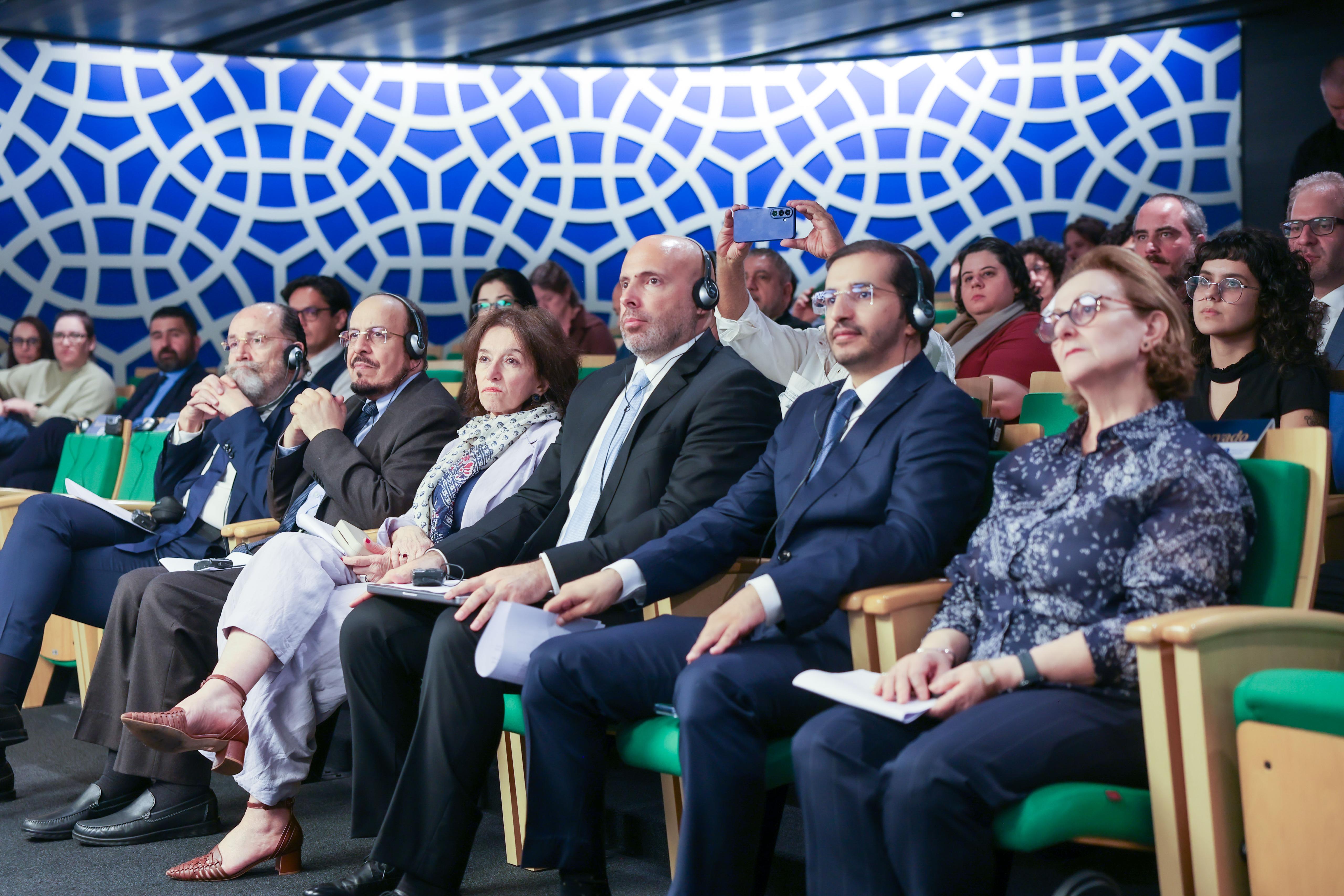
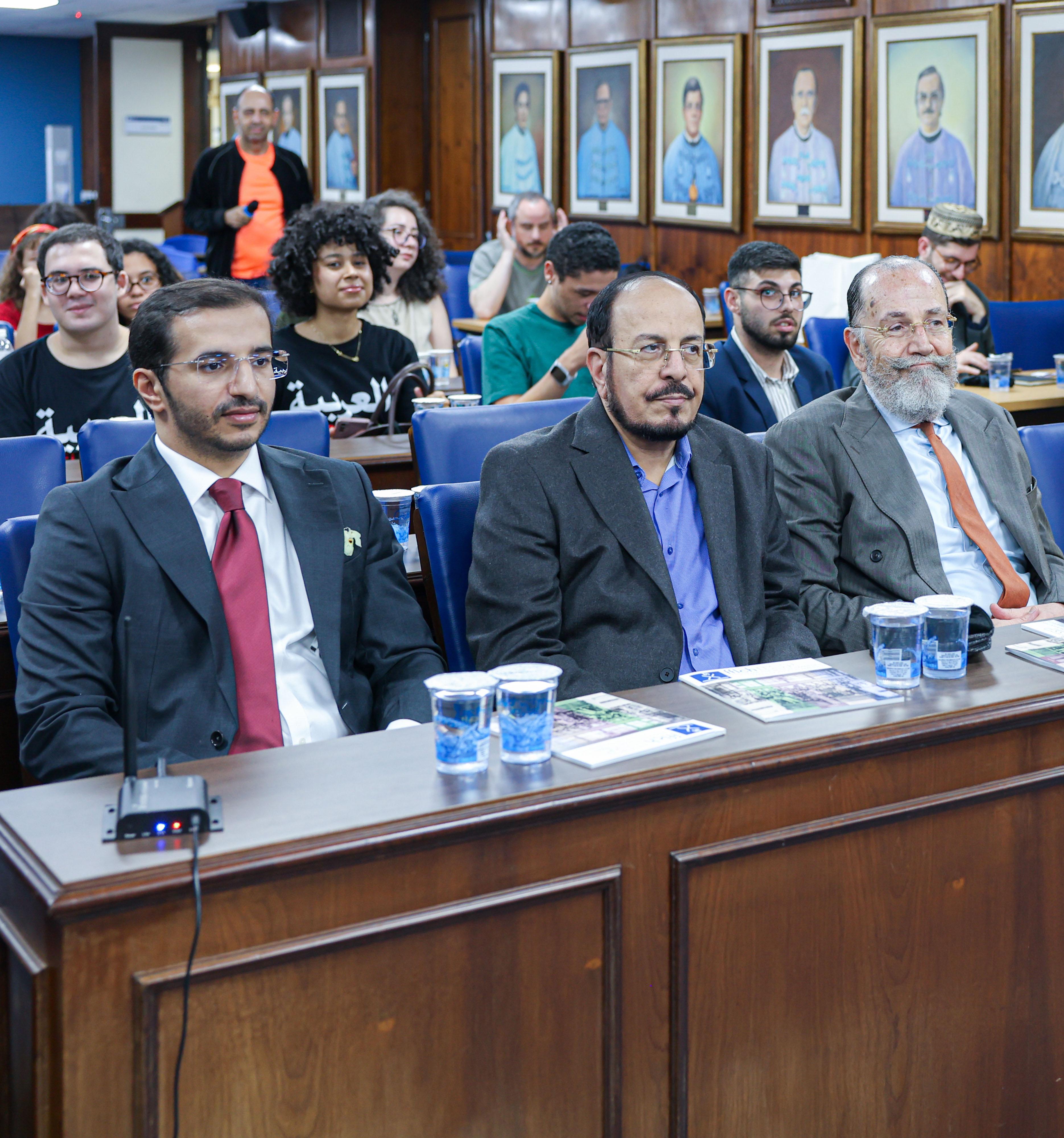
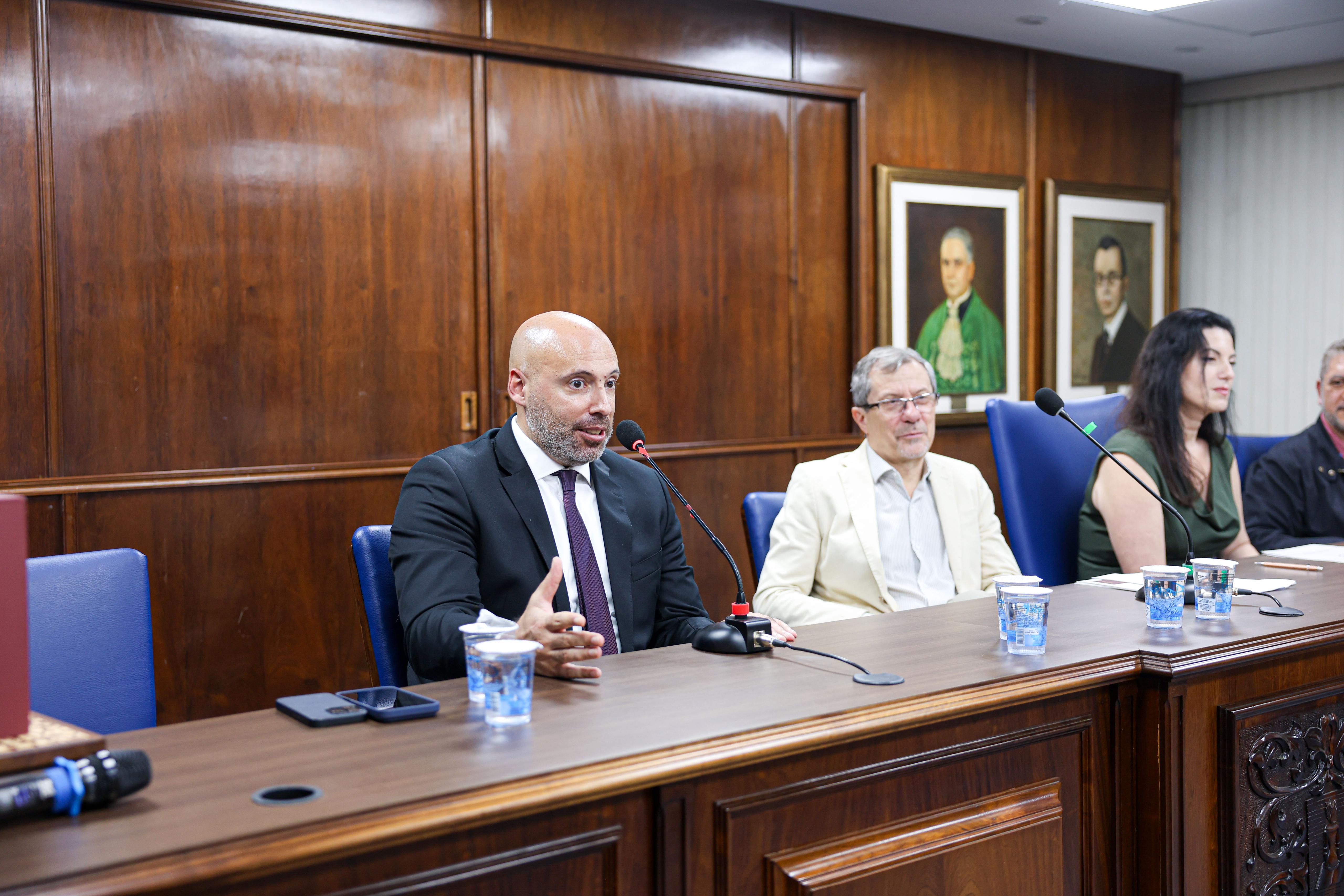
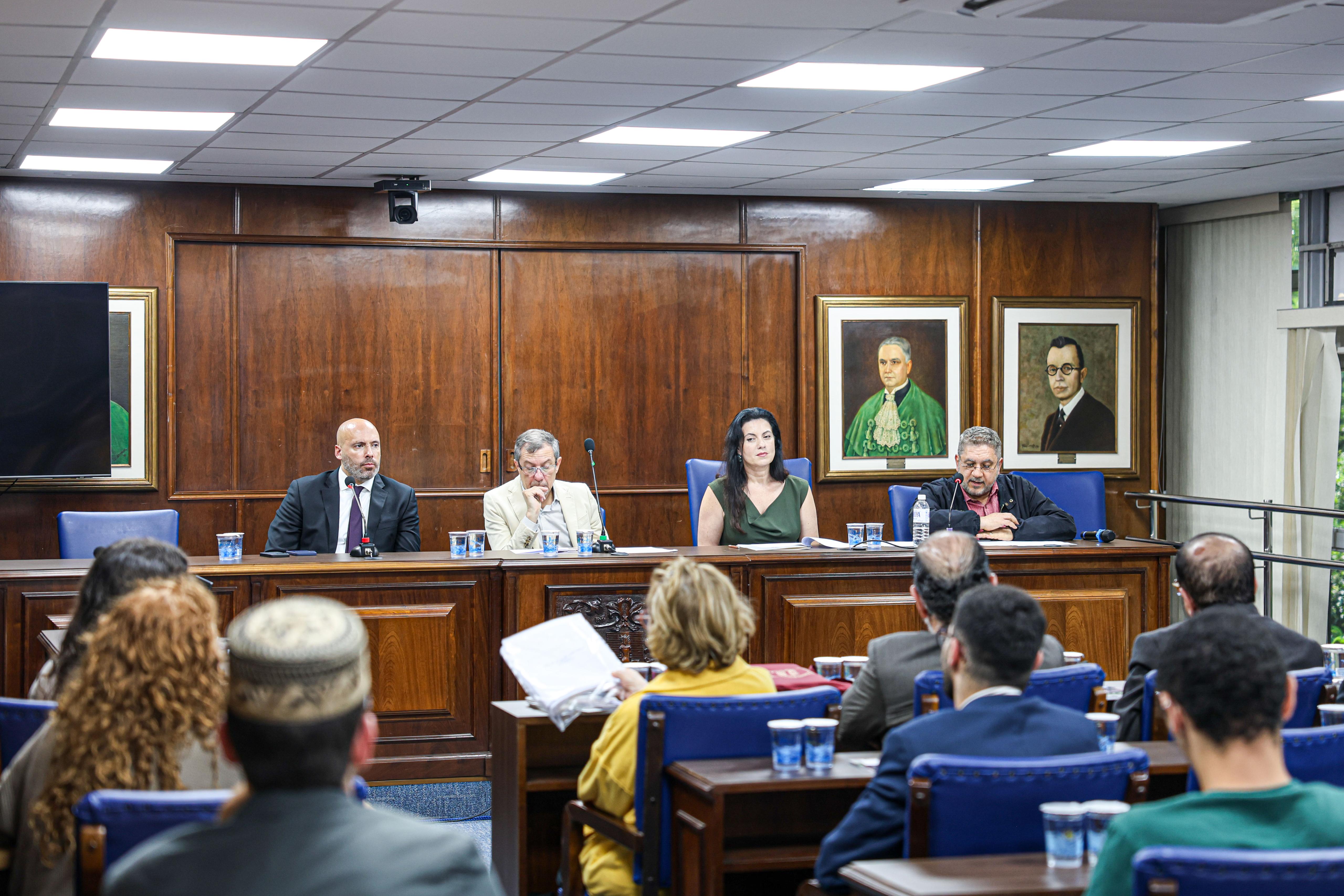
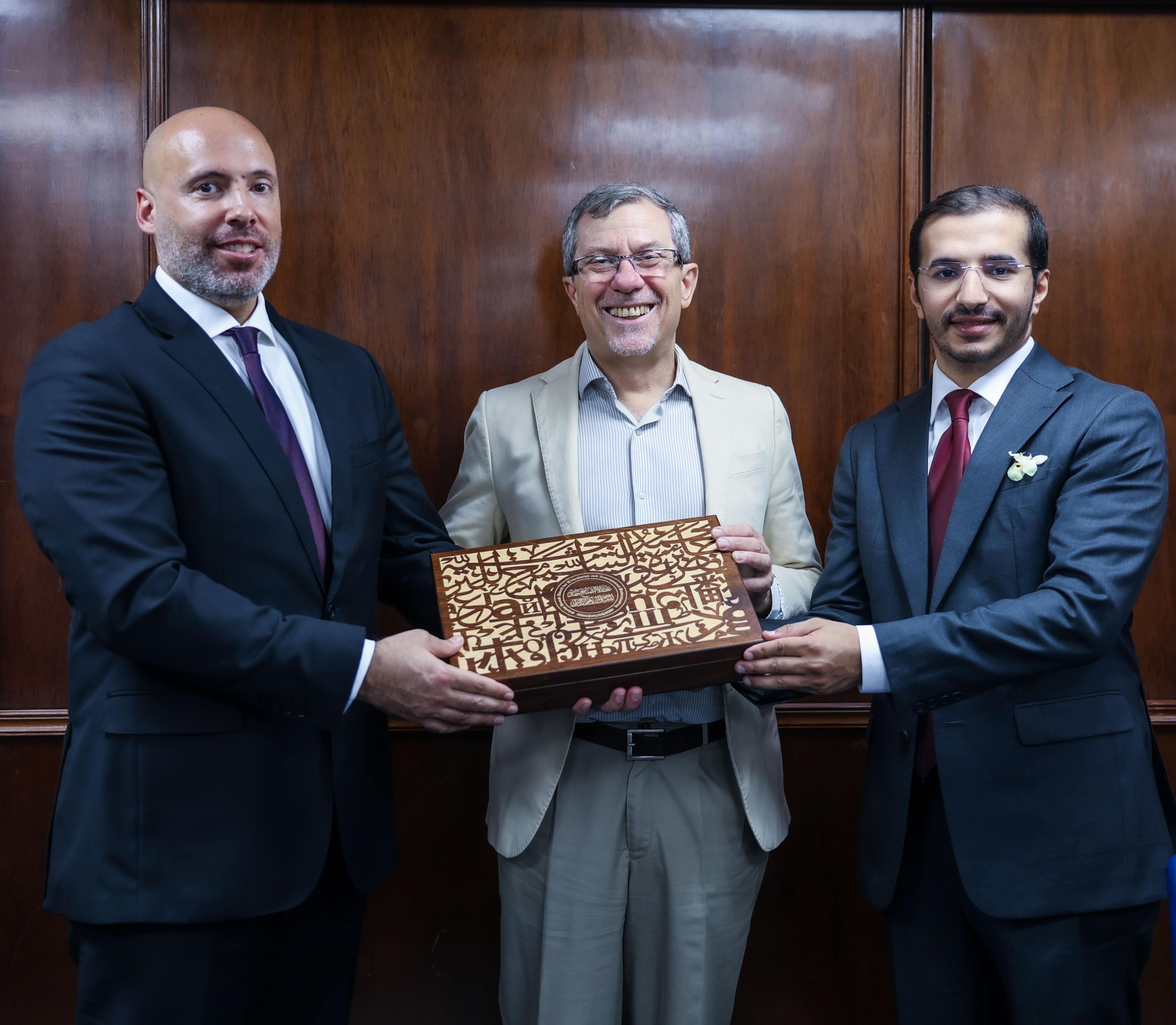
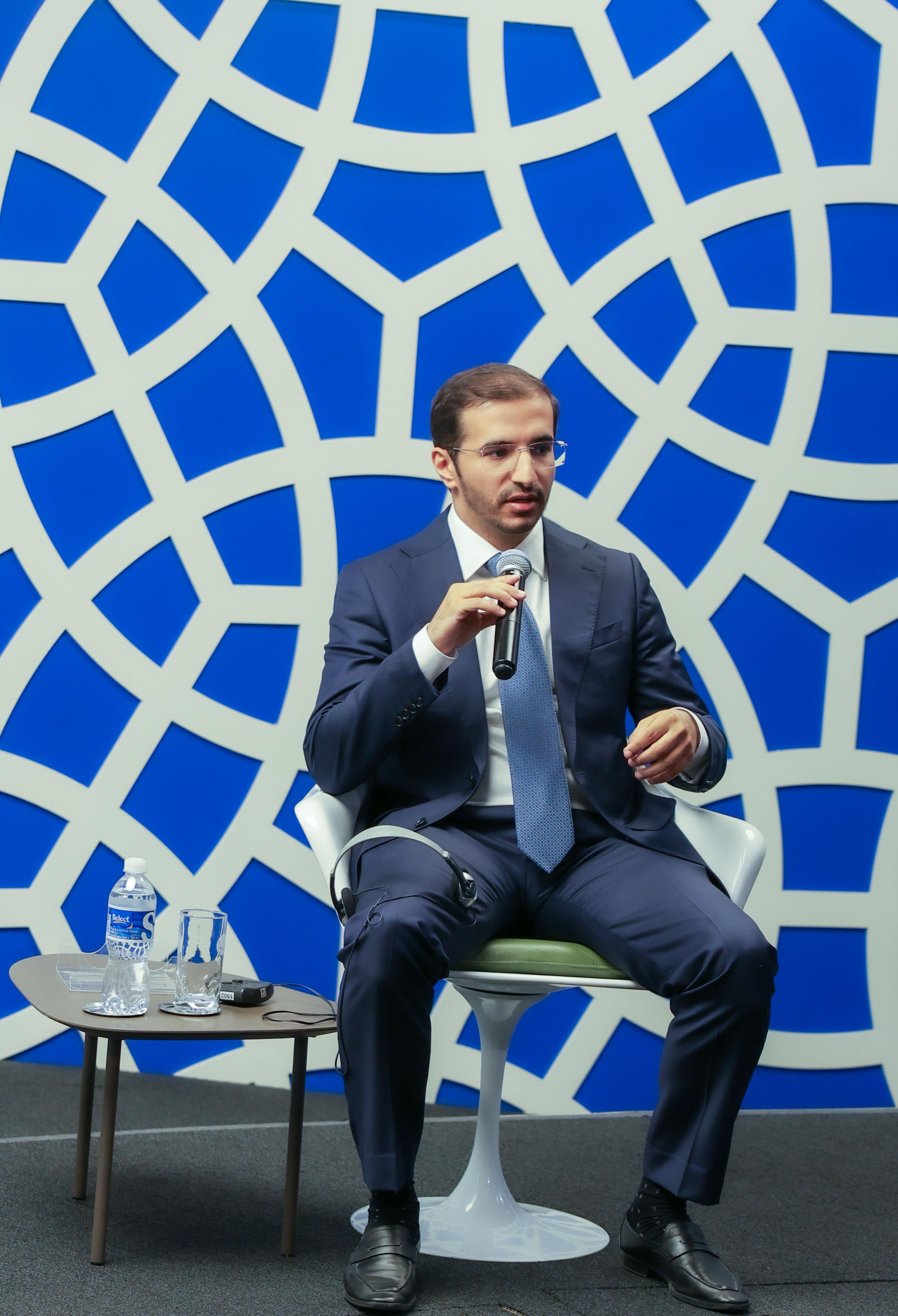
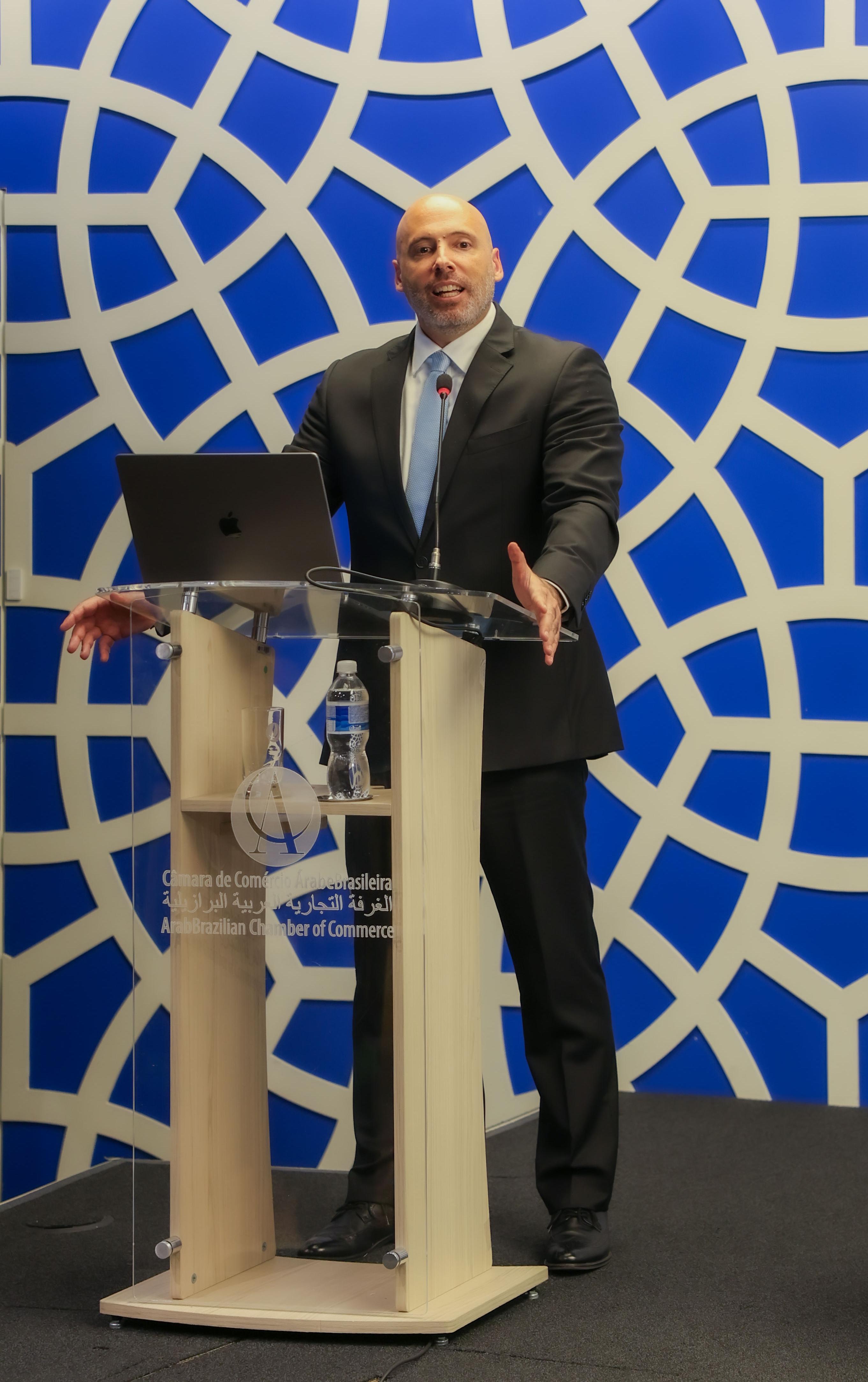
Meetings at the Arab-Brazilian Chamber of Commerce and the University of São Paulo, attended by Qatar’s Deputy Consul General
São Paulo – The delegation of the Sheikh Hamad Award for Translation and International Understanding has concluded an official visit to São Paulo, marking its first visit to the Federative Republic of Brazil. The visit took place following the selection of Portuguese as one of the languages for the Award’s forthcoming edition, marking the second time Portuguese has been included among the Award’s languages.
Over the course of two days, the delegation met with representatives of a range of cultural and academic institutions, as well as translators, publishers, researchers and media professionals. The meetings aimed to introduce the Award, its categories and objectives, explore ways to support translation between Arabic and Portuguese, and encourage relevant institutions and individuals to participate in the 2027 edition. Applications and nominations are scheduled to open on 1 January and close on 31 March 2027.
Portuguese has been selected for the second time, following its inclusion in 2019, in response to the notable growth in translated works between the two languages in recent years, particularly those produced by Brazilian publishers and translators. Brazil is the largest Portuguese-speaking country in the world. The visit also provided the Award with an opportunity to engage directly with stakeholders in Brazil’s translation sector.
Day One: Arab-Brazilian Chamber of Commerce
The visit began with a joint meeting at the Arab-Brazilian Chamber of Commerce, with the participation of Casa Árabe, the Institute of Arab Culture (ICArabe) and the Federal University of São Paulo (UNIFESP). Attendees included Mr Khalifa bin Najeeb Al-Sada, Deputy Consul General of the State of Qatar in São Paulo; representatives of the three participating institutions; representatives of publishing houses and cultural organisations; and a number of academics, translators and media professionals.
In his address, Mr Labib Al-Nahhas, Executive Director of the Award, outlined its structure, from the process of selecting languages for each edition to its categories, judging criteria and application procedures. He also highlighted key milestones since the Award’s establishment and its growing international presence, reflected in its recognition of translators and institutions across different continents.
He explained that the Award aspires to reach more languages with rich civilisational heritages and to remain an international platform that recognises translators and their role in bringing peoples closer together. He noted that introducing different languages in successive editions creates opportunities for translators from diverse cultural backgrounds, enriches Arabic libraries with works from world literature, and brings Arabic cultural and intellectual output to new readers.
Mr Abdulrahman Al-Marri, the Award’s Media Officer, addressed the longstanding ties between Arab and Brazilian cultures. He recalled that Arab immigrants have contributed to Brazil’s social, cultural and economic life for more than a century, providing a solid foundation for translation between the two languages.
He encouraged individual translators and institutions to submit their works during the nomination period, noting that participation by Brazilian publishing houses, universities and research centres would strengthen the presence of Portuguese-language translation in the forthcoming edition and highlight the achievements already made in this field.
Four presentations were delivered by representatives of the host institutions. Ms Silvia Antibas, representing the Arab-Brazilian Chamber of Commerce and Casa Árabe, discussed the role of both institutions in strengthening cultural and economic ties between Brazil and the Arab world. Ms Natália Calfat introduced the Institute of Arab Culture and its activities to promote Arab culture among Brazilian audiences.
Ms Cristina Queiroz presented a project dedicated to recovering, digitising and translating Arabic documents and books. The initiative seeks to preserve the written heritage left by Arab immigrants in Brazil and make it accessible to researchers, safeguarding an important part of the history of the Arab presence in the country.
In her contribution, Dr Safa Jubran, a previous winner of the Award, reflected on her experience translating Arabic literature into Portuguese. She discussed the impact of receiving the Award on her professional career and its role in drawing attention to the work of Brazilian translators beyond their own country.
At the conclusion of the meeting, the delegation answered questions from publishers and translators. The discussion focused on opportunities to apply for the Award, its judging criteria and possibilities for cooperation with publishing houses.
Day Two: University of São Paulo
On the following day, the delegation visited the University of São Paulo, where it was received by Adrián Pablo Fanjul, Dean of the Faculty of Philosophy, Languages and Human Sciences. The meeting was attended by Dr Luzineide, Head of the Department of Oriental Languages; Dr Michel Sleiman, Head of the Arabic Language Section; and representatives of the university’s International Relations Office and Communications Office.
Researcher Maria Carolina delivered a presentation on the state of Arabic–Portuguese translation in Brazil, outlining achievements to date, existing challenges and possible ways to develop the field.
This was followed by a discussion between the delegation and faculty members on the efforts needed to establish specialist expertise in both languages, address the challenges facing the field, and explore opportunities for cooperation between the Award and the university. The discussion also considered ways to raise awareness of the Award among researchers and students and encourage them to participate.
The discussion took place in English and Spanish, with Mr Labib Al-Nahhas providing interpretation. The exchange itself highlighted the need for more translators capable of working directly between Arabic and Portuguese.
The University of São Paulo is one of the leading universities in Latin America. Its Department of Oriental Languages plays an important role in teaching Arabic and its literature and has produced researchers and translators who have brought a number of Arabic works to Brazilian readers.
The Significance of the Visit
The significance of the Award delegation’s visit to Brazil lies in part in the extensive reach of Portuguese, which is spoken by more than 250 million people across several continents, and in the fact that Brazil is home to one of the world’s largest communities of Arab descent.
The meetings are expected to strengthen communication between the Award and Brazilian institutions working in translation and culture, and to encourage greater participation by Portuguese-speaking translators and publishing houses in the 2027 edition. They are also expected to pave the way for future partnerships with Brazilian universities and cultural institutions, advancing the Award’s ambition to reinforce the civilisational role of translation, encourage translators and expand the range of works translated between Arabic and Portuguese.
Through this visit, the Award continues to fulfil its mission of honouring translators and recognising their role in building bridges of knowledge and dialogue between cultures.
25 October 2026