


Sheikh Hamad Award for Translation Concludes Brazil Tour, Opening New Horizons for Cultural Cooperation
Delegation’s Rio de Janeiro Visit Features Two Seminars at the National Library, Meetings with Publishers, and Visits to Leading Institutions Preserving Portuguese Cultural Heritage
Rio de Janeiro – The delegation of the Sheikh Hamad Award for Translation and International Understanding continued its outreach tour of Brazil with a visit to Rio de Janeiro. Its programme included a meeting with Editora Tabla and an official visit to the Brazilian National Library, which hosted two seminars on translation and cultural dialogue, followed by a visit to the Real Gabinete Português de Leitura (Royal Portuguese Reading Room). These activities formed part of the Award’s efforts to raise awareness among Portuguese-speaking translators and publishers ahead of its 2027 edition.
The visit took place against a backdrop of growing cultural ties between Qatar and Brazil, which established diplomatic relations in 1974. In 2014, Qatar Museums launched the Qatar–Brazil Year of Culture to strengthen cultural bonds between the two countries.
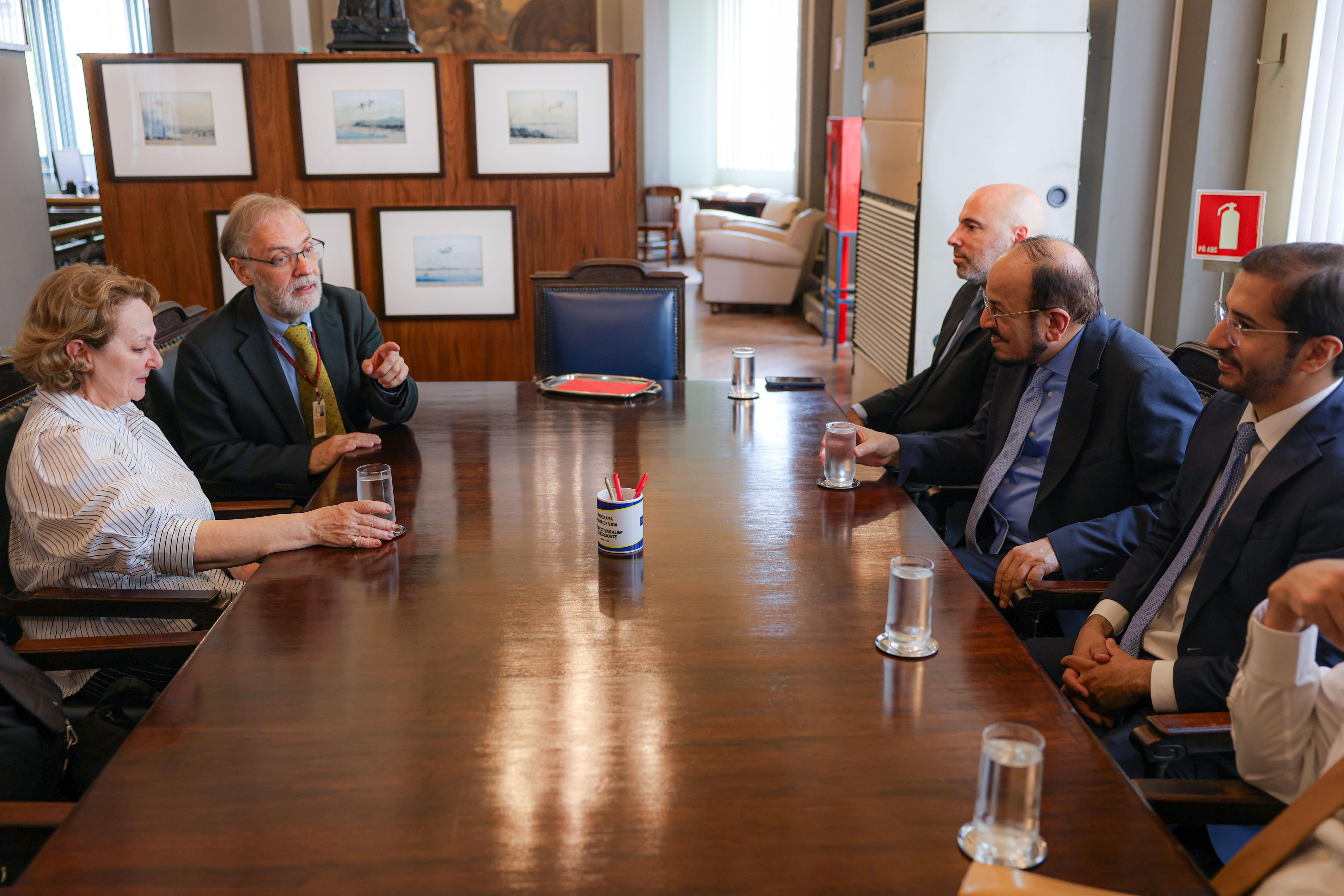
Meeting with Editora Tabla
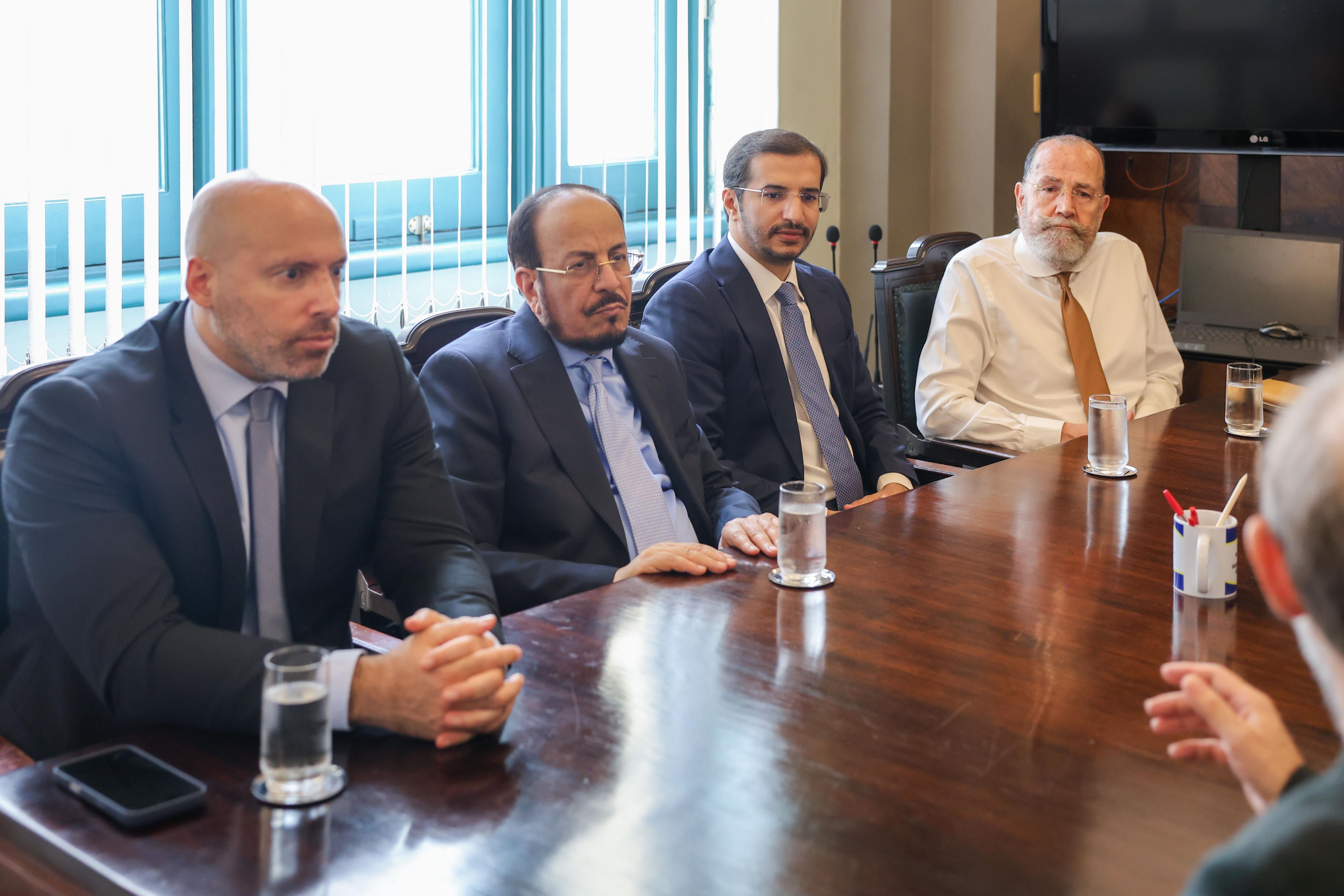
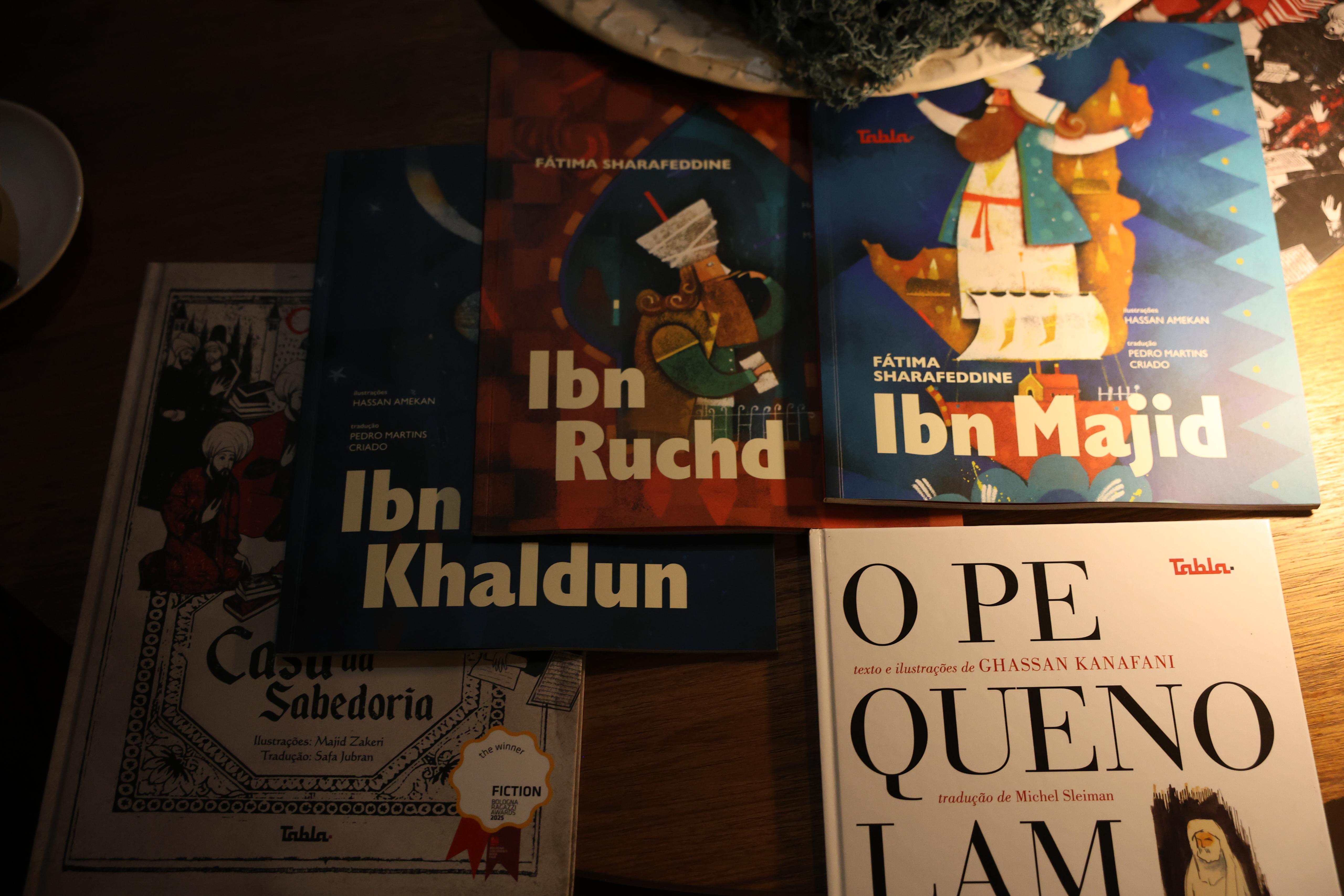
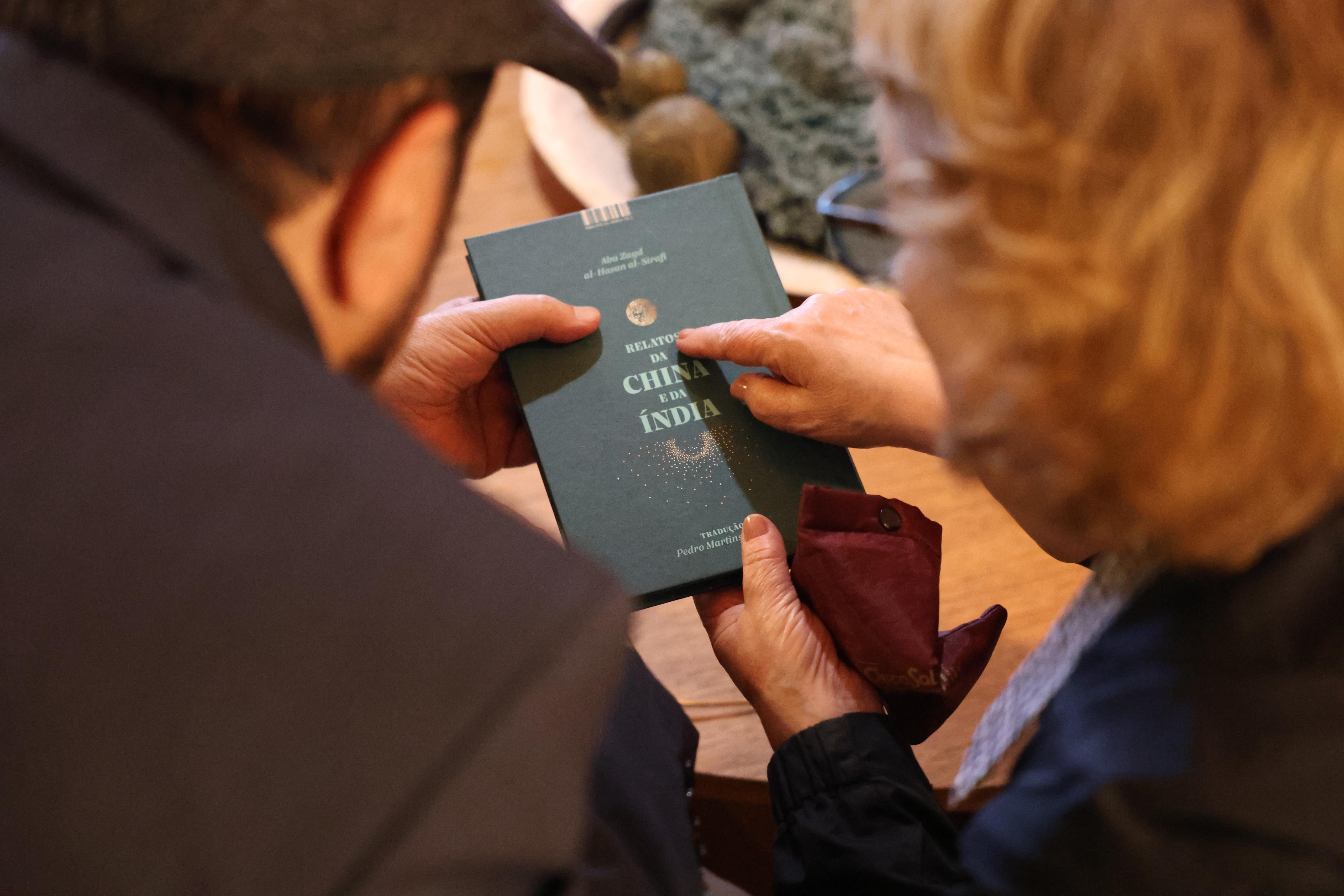
The delegation began its programme in Rio de Janeiro with a meeting with Ms Laura di Pietro, founder and editorial director of Editora Tabla, a Brazilian publishing house specialising in Arabic literature translated into Portuguese. The publisher has brought works by several Arab authors to Brazilian readers.
The meeting explored Tabla’s experience in selecting Arabic works and introducing them to Brazilian audiences, as well as opportunities for cooperation with the Award to reach the translators who work with the publishing house and encourage them to apply for the 2027 edition. Delegation members emphasised that specialist publishers play a decisive role in sustaining translation, taking the initiative, investing in translated works and bringing them to readers with care and professionalism.
The Brazilian National Library
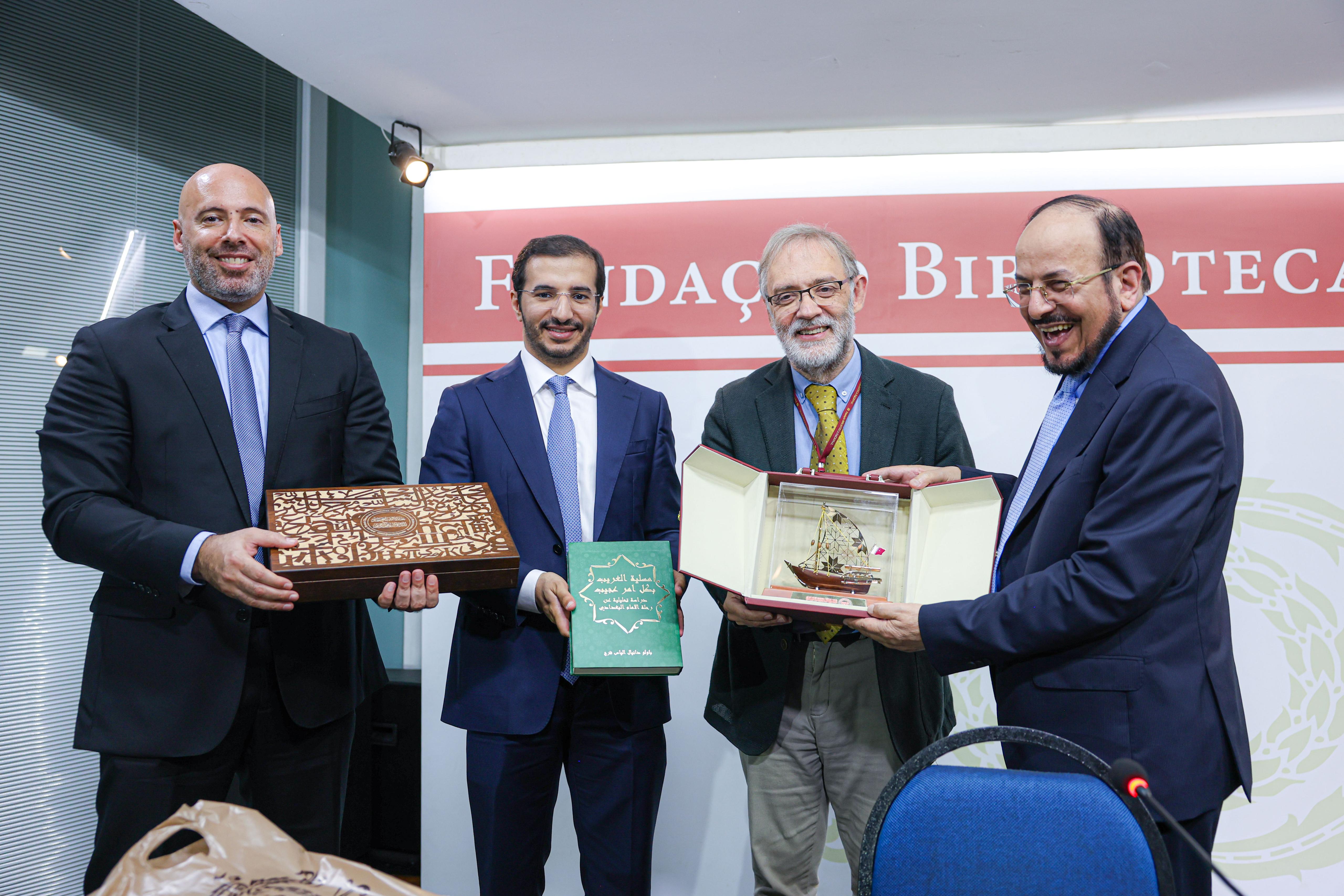
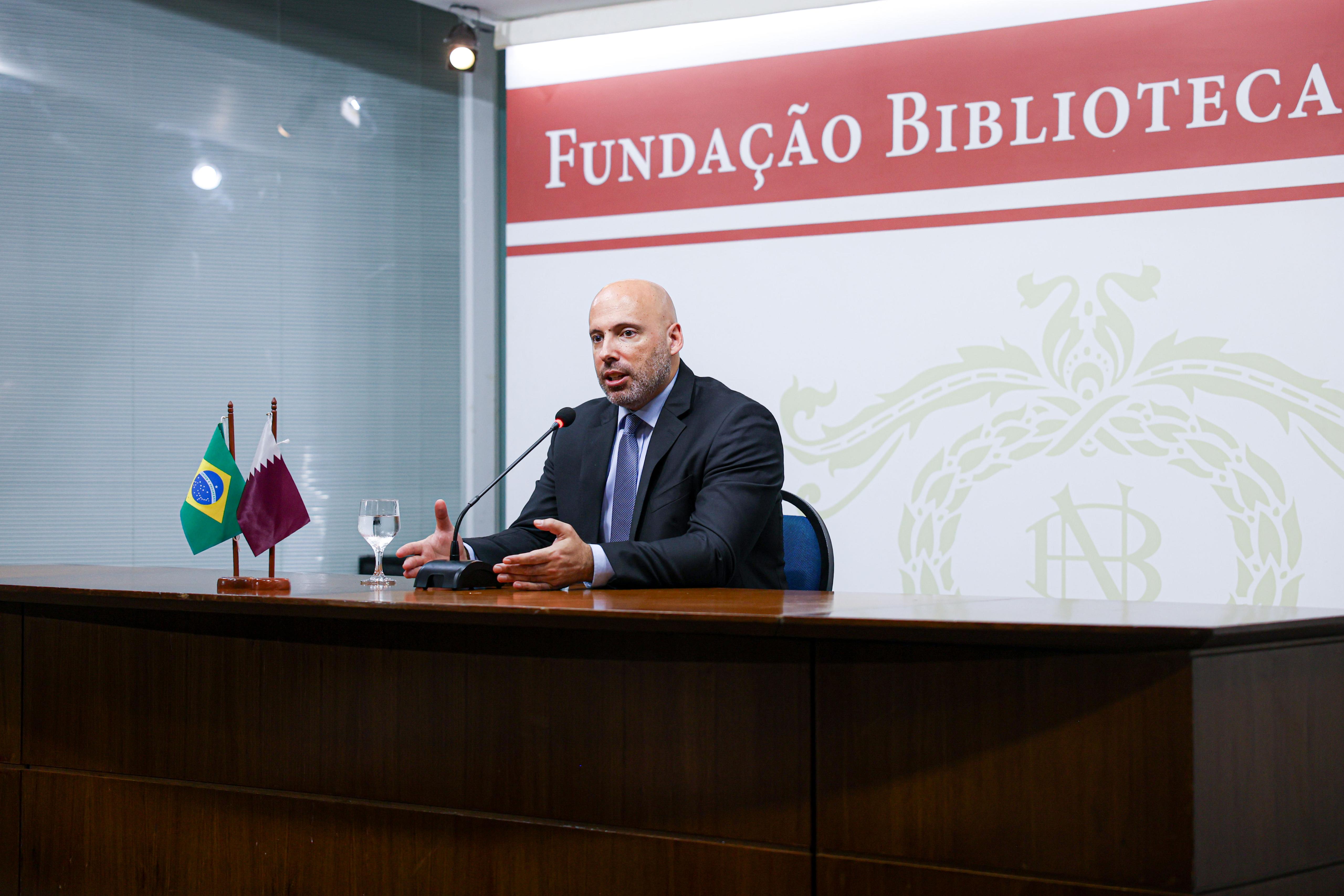
At the Brazilian National Library, one of Latin America’s largest libraries, the delegation was received by Dr Marco Lucchesi, President of the Brazilian National Library Foundation and a member of the Brazilian Academy of Letters. He accompanied the delegation on a tour of the Library’s departments and selected collections, including holdings connected to the Arab world. These include photographs, books and memoirs brought back by Brazilian Emperor Dom Pedro II from his journeys to the Arab East in 1871 and 1876, as well as historic maps of Qatar and the Arabian Gulf.
Two Seminars on Translation and Cultural Dialogue
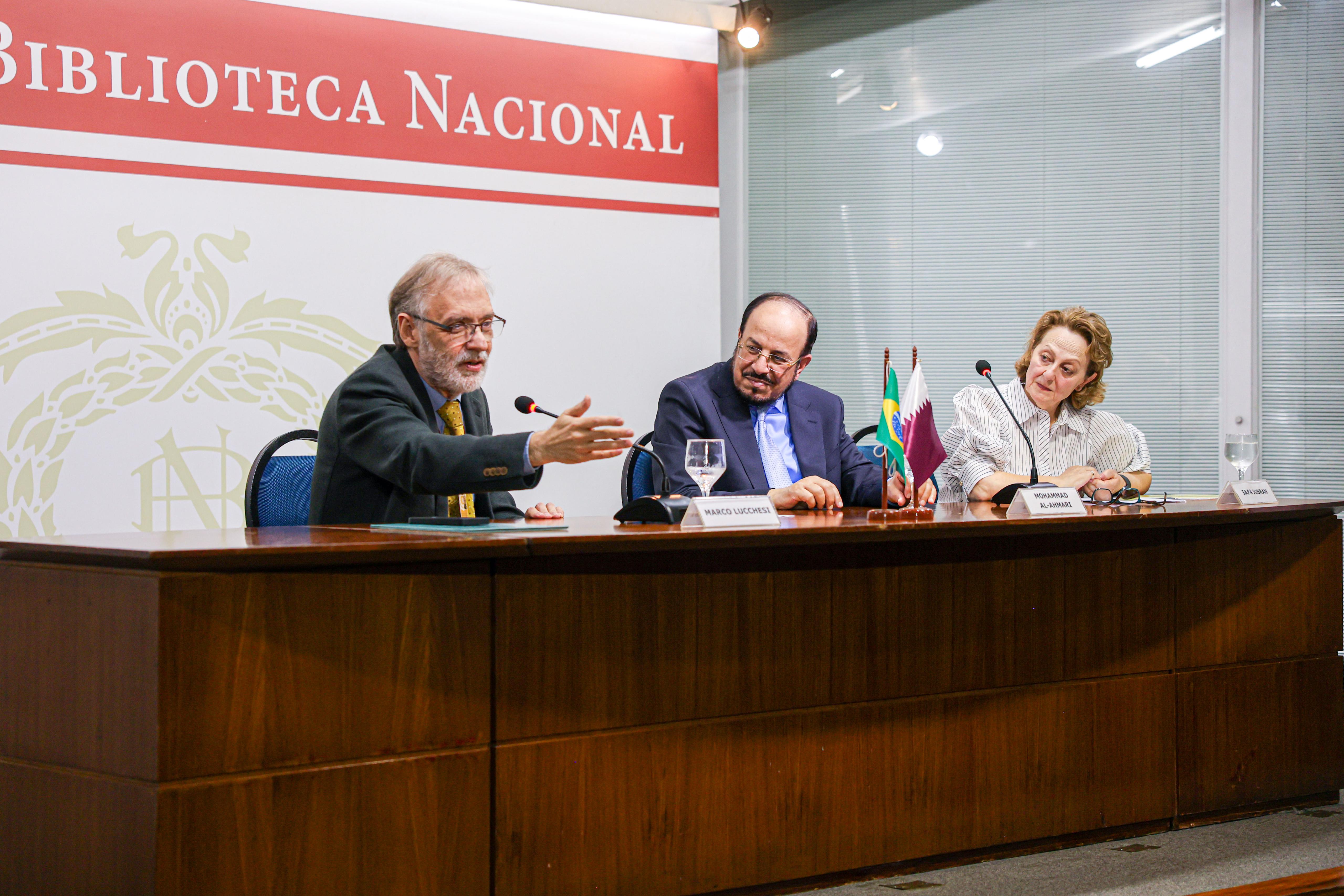
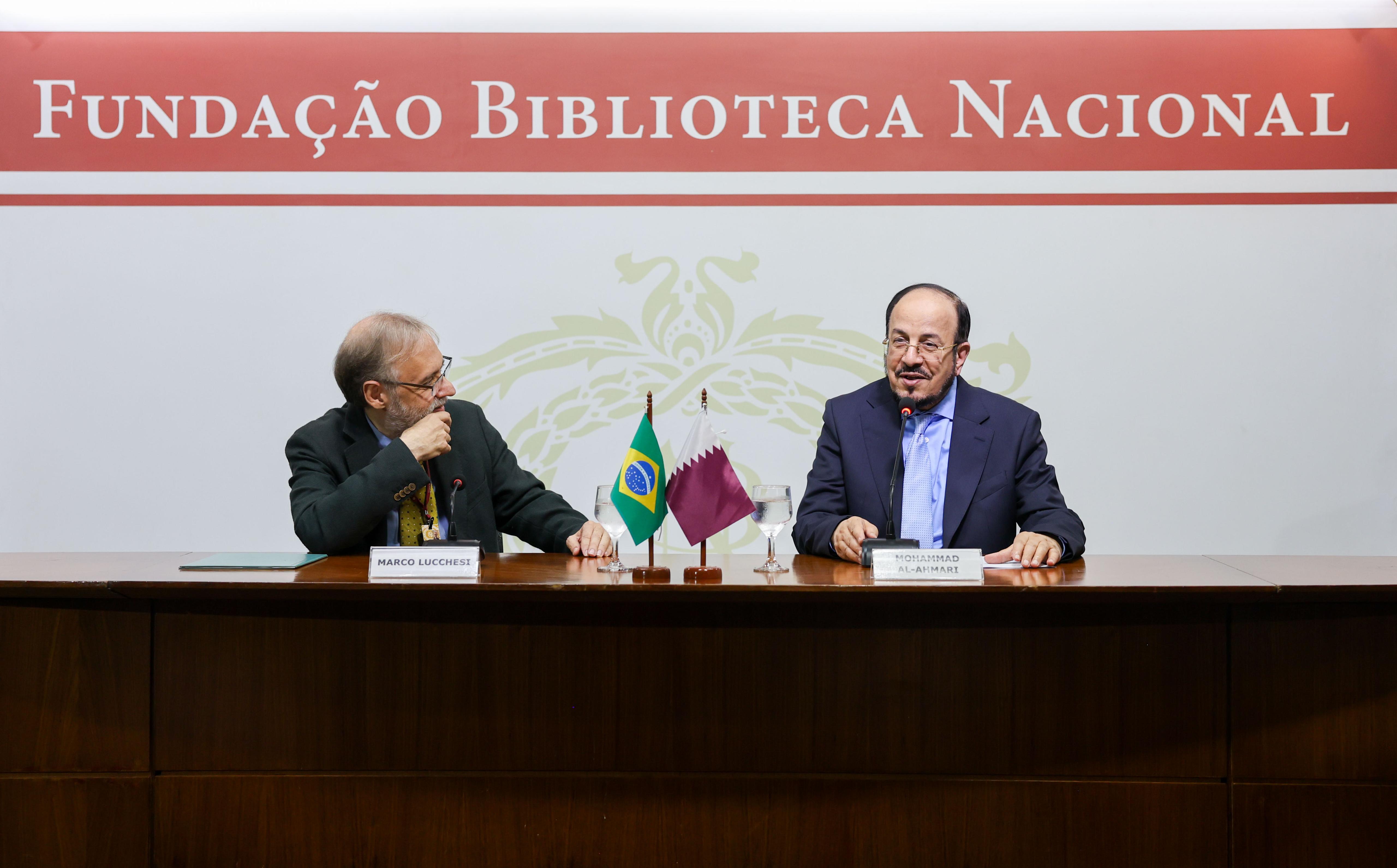
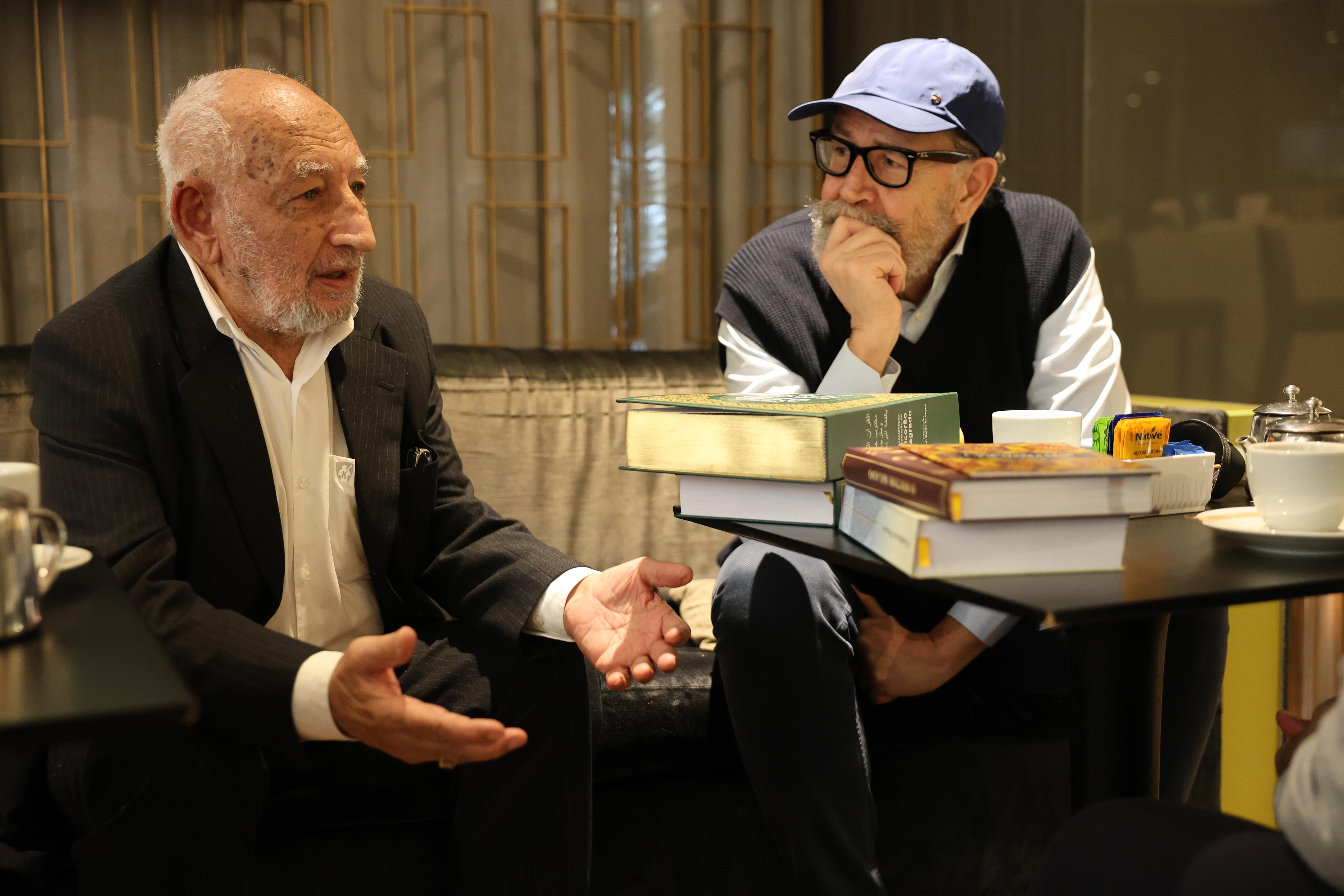
Following the tour, the Library hosted two successive seminars. The first featured Dr Mohammed Al-Ahmari, Director General of the Award, and Dr Marco Lucchesi, President of the Library. Their discussion focused on the role of translation in building bridges between Arab and Brazilian cultures, and on the contribution of libraries to preserving shared cultural heritage and making it accessible to readers and researchers.
The second seminar featured Dr Safa Jubran, a recipient of the Award in 2019, with translator Jemima Alves participating remotely. Both speakers reflected on their experiences translating Arabic literature, the challenges of conveying the distinctive character of Arabic texts into other languages, and the role of specialised awards in supporting translators and bringing their work to wider attention.
The Real Gabinete Português de Leitura (Royal Portuguese Reading Room)
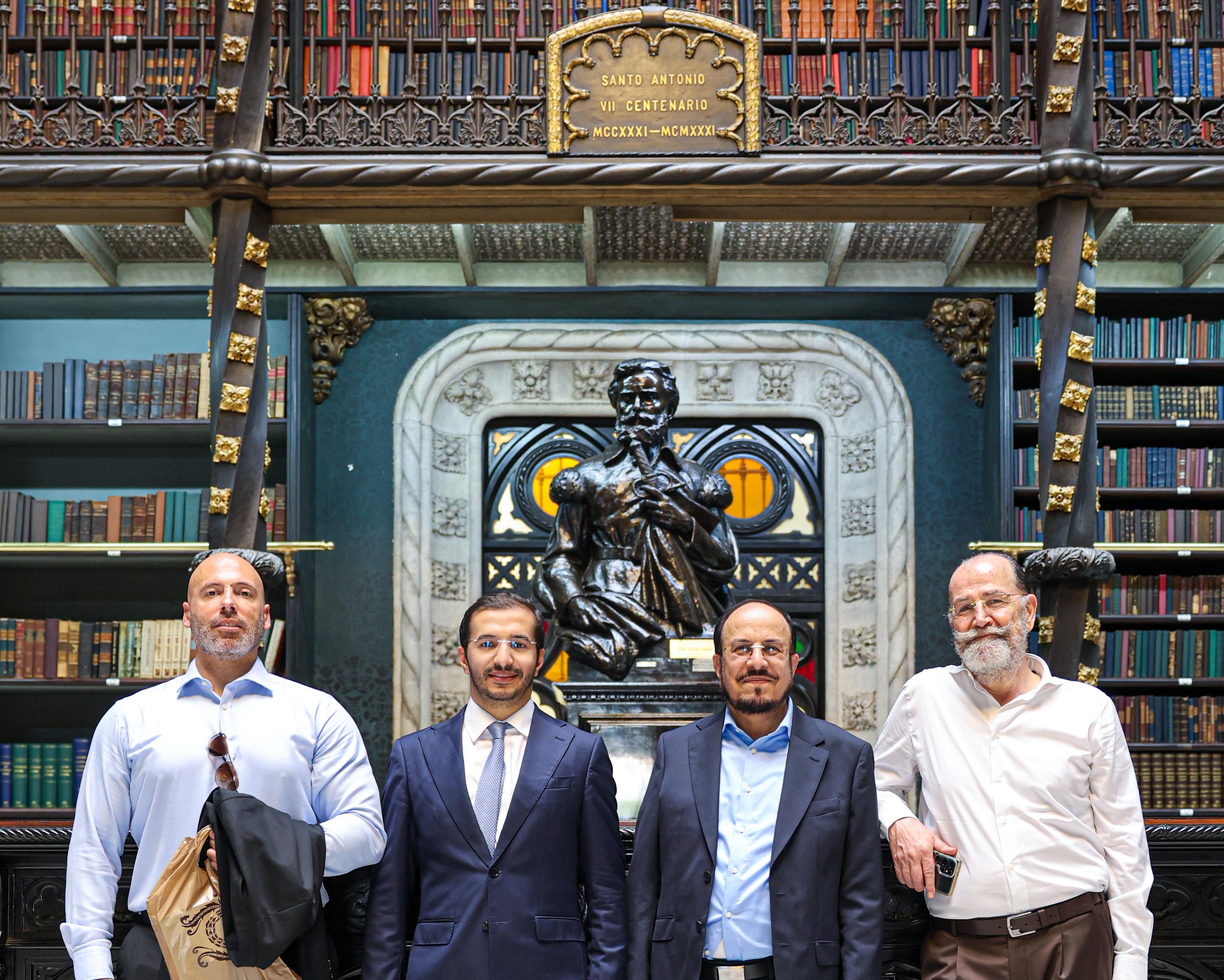
As part of its exploration of Brazil’s cultural heritage, the delegation visited the Real Gabinete Português de Leitura, one of the foremost institutions preserving Portuguese-language heritage outside Portugal. Founded by Portuguese immigrants in Rio de Janeiro in 1837, it houses the largest collection of Portuguese literature outside Portugal. Among its treasures is a first edition, published in 1572, of Os Lusíadas (The Lusiads) by the poet Luís de Camões, regarded as Portugal’s national epic and a cornerstone of Portuguese-language literature.
The visit offered the delegation a close look at the depth of the Portuguese literary tradition. The Portuguese language itself contains hundreds of words of Arabic origin, bearing witness to centuries of interaction between the two cultures. The Award seeks to renew that exchange today by encouraging translation between Arabic and Portuguese and recognising outstanding translators. The delegation’s programme also included visits to several of the city’s leading cultural and tourist landmarks.
From Arabic into Portuguese: Foundational Translations
The visits to these two historic libraries, which preserve a substantial part of Brazil’s literary memory, recalled major milestones in the transmission of Arab and Islamic heritage into Portuguese. Foremost among these are the translation of the meanings of the Holy Quran and the translation of Ibn Khaldun’s Muqaddimah. These two foundational works enabled Portuguese-speaking readers to engage with the meanings of the scripture at the heart of Arab-Islamic civilisation and with one of that civilisation’s most significant contributions to the understanding of history and human society.
In this context, the work of translator Samir El Hayek stands out. His translation of the meanings of the Holy Quran into Portuguese was among the earliest complete translations published in Brazil and is regarded as an authoritative Portuguese rendering of the Quran. He worked on it for approximately ten years before the first edition appeared in 1974. Numerous subsequent editions have been published over the decades, making it an important contribution to bringing the meanings of the Quran to Portuguese-speaking readers.
Ibn Khaldun’s Muqaddimah, one of the great works of human thought on history and society, was translated in full directly from Arabic into Portuguese by José Khoury and Angelina Bierrenbach Khoury. The first volume was published in São Paulo in 1958 through the Brazilian Institute of Philosophy. It remains the only Brazilian translation of the Muqaddimah made directly from Arabic. More than six decades after its initial publication, a revised edition appeared in 2023, with a foreword by Dr Jamil Ibrahim Iskandar, a professor at the Federal University of São Paulo.
These two experiences illustrate how the translation of major Arabic works into Portuguese has often depended on the sustained efforts of individuals working over many years. They also underscore the pivotal role of specialised awards in recognising such contributions and encouraging a new generation of translators to carry them forward.
Outcomes of the Visit
With the conclusion of its Rio de Janeiro programme, the delegation had engaged with the four interconnected pillars of the translation ecosystem linking Arabic and Portuguese, each contributing to the production of translated books and their delivery to readers. These comprise institutions concerned with Arab–Brazilian relations, represented by the Arab-Brazilian Chamber of Commerce, the Arab House and the Instituto da Cultura Árabe (ICArabe); universities that train translators and researchers, represented by the University of São Paulo and the Federal University of São Paulo; the publishing sector, represented by Editora Tabla; and institutions that preserve cultural memory, represented by the Brazilian National Library and the Real Gabinete Português de Leitura.
This range of engagements enabled the Award to present its mission, categories and criteria to the different stakeholders on whom the future of translation between the two languages depends: from translators who bring texts into another language, to academics who train them, publishers who invest in translated works, and institutions that preserve those works and make them available to readers. It also provided an opportunity to hear directly from translators in Brazil about their experiences and challenges, and to gain a clearer understanding of the field’s needs in the country.
The visit marks a shift in the Award’s relationship with Brazil, from ties built primarily through individual participation—notably Dr Safa Jubran’s receipt of the Award in 2019—towards a network of institutional relationships. This network offers a foundation for raising awareness of the Award, attracting outstanding nominations for its 2027 edition, and exploring future cooperation in translation, publishing and academic research.
Through this visit, as through its other international outreach tours, the Award reflects the State of Qatar’s pioneering role in supporting dialogue between cultures and strengthening the global presence of the Arabic language and its literary and cultural heritage. It does so by honouring translators who bring major Arabic works to readers in other languages and by building bridges with cultural institutions across continents.